
Hanoi creates more experience in the heritage of craft villages for visitors
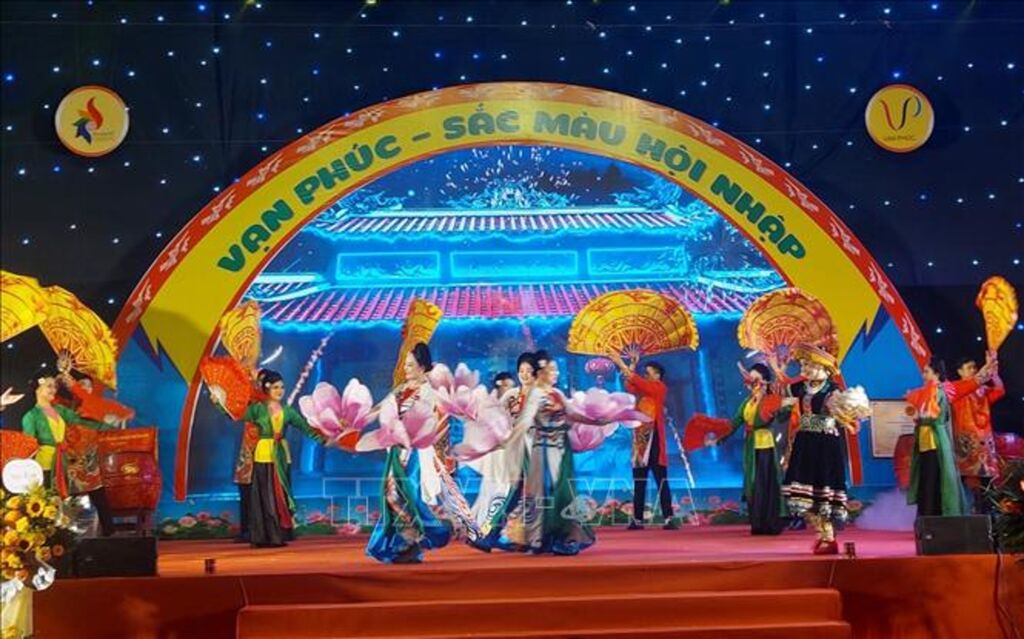
Hanoi is a masterpiece land, with a long history of historical culture, owning 5,922 monuments, 1,793 intangible heritage and 1,350 craft villages, with beautiful natural landscapes, considered a valuable resource In tourism development. The Capital Tourism industry considered cultural tourism as the main product; Tourism management agencies and tourism organizations and units are promoting the type of tourism experience associated with the heritage and craft villages in Hanoi.
* Add meaning to tourism products
Located in the west of Hanoi, in the middle of a landscape area “Son Ky, Thuy Tu” of Doai, beautiful about the scene, prosperity of feng shui and sacred in folk consciousness, Quoc Oai district has values of literature Specialized, rich. The district has 101 relics that have been ranked, notably the special national relics complex of Thay Pagoda and special national monument; Many types of intangible cultural heritage are valuable such as: Water puppet art, singing, singing dragon jaws, singing, cheo, gong performance of Muong ethnic people; Along with that is 55 traditional festivals … Moreover, due to the convenient transportation position, near the center of the capital, every year, Quoc Oai welcomes a large number of visitors to visit and experience.
Vice Chairman of the People’s Committee of Quoc Oai Hoang Nguyen Ung said: To exploit and maximize the available resources and resources, creating a shift in tourism development, contributing to the conservation and promotion of literary values Traditionalization, over the past time, Quoc Oai district has implemented synchronous solutions “Preserving and promoting the values of traditional cultural identity in tourism development in the district”.
Duong Lam ancient village has long been famous as “land of two kings”, is a “living museum” to preserve the basic characteristics of a Northern village, with village gates, banyan trees, water wharves, communal houses … Along with 956 traditional houses. On average, the ancient village of Duong Lam attracts nearly 150,000 tourists, including 6,000-7,000 international visitors. Tourists come to Duong Lam not only to learn the architectural features, landscapes, and lifestyle of the people with the characteristics of the countryside but also participate in the culinary process of food, agriculture, and accommodation. people in the village. These activities leave an impression, creating emotions for each trip, especially foreign visitors.
Or when coming to Bat Trang pottery village, visitors are interested in reaching out to stroking, squeezing pottery, creating souvenir products to bring back. At the Temple of Literature – Quoc Tu Giam, Hoang Thanh Thang Long, visitors not only learn about the monument but also participate in cultural activities, participate in decoding games about heritage value. Dao Thuc water puppet ward (Dong Anh district) not only organizes performances for guests, but farmers also often interact with guests, guide guests to participate in controlling puppets …
With a system of rich heritage and villages, according to the Chairman of the Hanoi Travel Association Phung Quang Thang, these are extremely valuable resources for the Capital Tourism industry to promote values, build products. Tourism products are specific to each locality, serving a variety of domestic and international tourists. Through that, enhance the understanding of the locals, improve the life of the mental and surrounding facilities.
* Enhance the experience for visitors
Currently, tourists coming to Hanoi are tending to increase, especially foreign tourists. This is a positive signal for the Capital’s tourism industry to implement solutions to attract tourists and promote tourism growth. In particular, the construction of new tourism products featured in Hanoi, creating attractiveness for tourists to be interested.
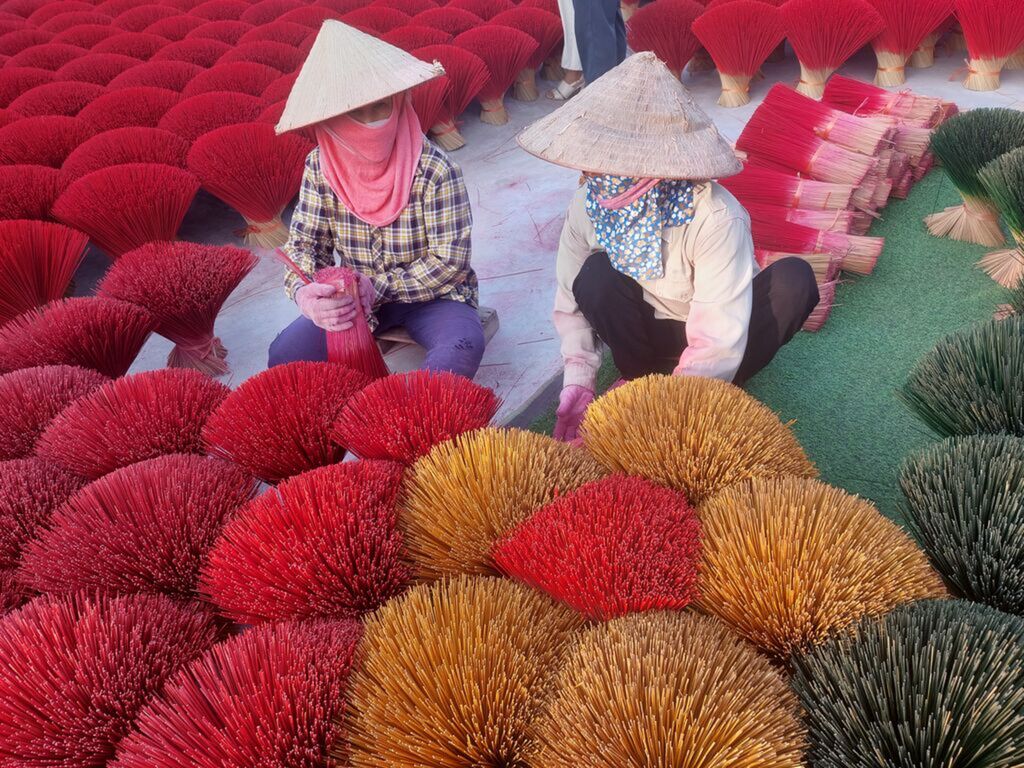
Hanoi has built many tourism products, including the pilot of the community tourism model associated with the actual experience of craft villages and tourist destinations associated with the traditional cultural values of the ethnic minority district. Ba Vi. In February 2024, the Hanoi Department of Tourism built and developed tourism products experienced associated with heritage, monuments and trade villages along the central route of Hanoi – Thanh Tri – Thuong Tin – Phu Xuyen; central route Hanoi – Thanh Oai – Ung Hoa – My Duc; The central route of Hanoi – Son Tay – Ba Vi … Currently, the Department of Tourism is continuing to build a community tourism model associated with practical experience in craft villages and tourist destinations with cultural values. The tradition of ethnic minorities in My Duc district, Chuong My …
However, experts say that in order for these products to become attractive, characteristic of synchronous implementation. First of all, it is necessary to understand the objects to the locality, their needs and desires, from which there is an appropriate experience product. For example, the experience of visitors at the attractions of Huong Quang Phu Cau toothpick village stopped at “check-in” to take photos, while visitors still have many other needs.
Chairman of Hanoi Travel Association Phung Quang Thang said that Hanoi needs to develop many different travel experiences in the direction of building and developing unique tours, learning about history, rich experiences about The local culture, the production stages of the profession, the typical cuisine … From there, help visitors interact with the local people, artisans, celebrities in the village, participate in traditional craftsmanship apprenticeship , local festival. When developing tourism routes, it will create a more diverse service chain, enhance the experience of visitors.
In addition, the promotion and tourism activities, the linkage between localities in the transportation activities to participate in the experience associated with heritage and trade villages also need to be established. From there, this tourism product has developed, bringing many benefits, from attracting visitors to promote the value of the Capital Cultural Heritage./.