
Phuc Tan Public Art Project – How did we do it
News aggregator and editor: Chi Nguyen
Interviewer: Uyen Ly
Photo provider: artists of Phuc Tan project
Introduction to the Phuc Tan public art project
Sixteen artworks of the Phuc Tan project
The artwork “Phản chiếu song hành” (Overall Reflection)
By: Can Van An
Dimensions: 7m (long) x 1.5m (high)
Material: Iron and steel and mirror
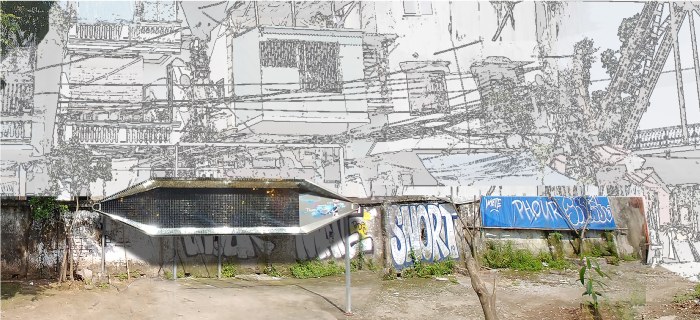
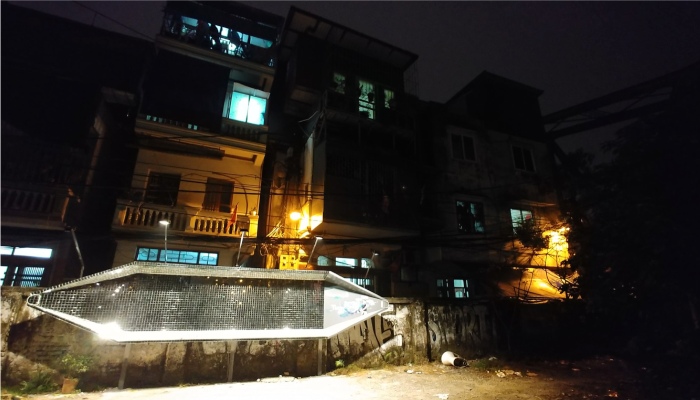
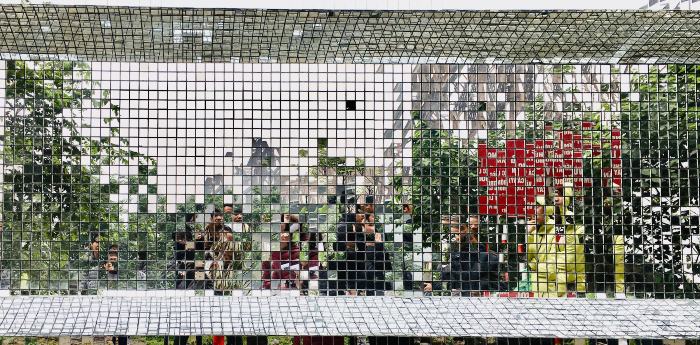
Can Van An, a young artist, loves creating art with new materials and approaching art in a new way. He has participated in 02 public art projects: Phung Hung Mural Street and the Art Project in the Basement of National Assembly House. In this project, An created an anti-flood boat of people around the Red River area. On the boat, 5000 pieces of mirrors were attached to reflect the image of the Long Bien bridge. Sparkling light reflected on the mirrors looks like the waves of the river, which create an abstract fragmentary image that interacts with the viewer.
The arwork “Xẩm tàu điện” (Xam on the Trams)
By: Pham Khac Quang
Dimensions: 7m (long) x 1.5m (high)
Material: Crumb steel and CNC-cut pieces of steel, led lights, glass nylon
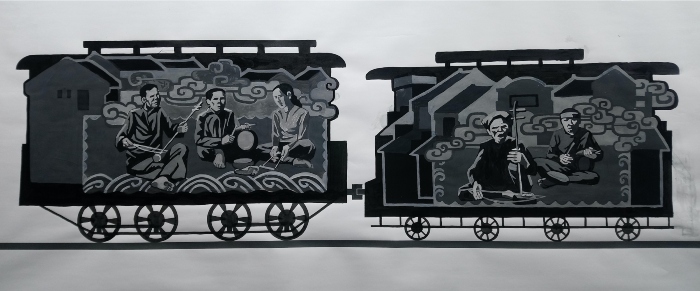
Pham Khac Quang is a famous graphic artist. He has participated in 02 public art projects: Phung Hung Mural Street and the Art Project in the Basement of National Assembly House. In this project, he wants to depict the history of old Hanoi through the art of singing Xam on the tram, which now is an intangible cultural heritage in Hanoi. Pham Khac Quang uses CNC-cut pieces of steel to create the image of two trams – a familiar image of an old Hanoi. In the picture, artisans are singing Xam along with the streets of ancient Hanoi. Behind the steel plates, there are color glass panels created from used glass nylon. The artwork used recyclable waste combined with light to build the image of a lost cultural heritage of the community. By using recycled waste, The artwork has delivered meaningful messages and aesthetic contemplation to the audience.


The artwork “Voi” (Elephant), “Sống xanh” (Living Green)
By: George Burchett
Dimensions: 7m (long) x 1.7m (high)
Material: Stainless steel covered by paint
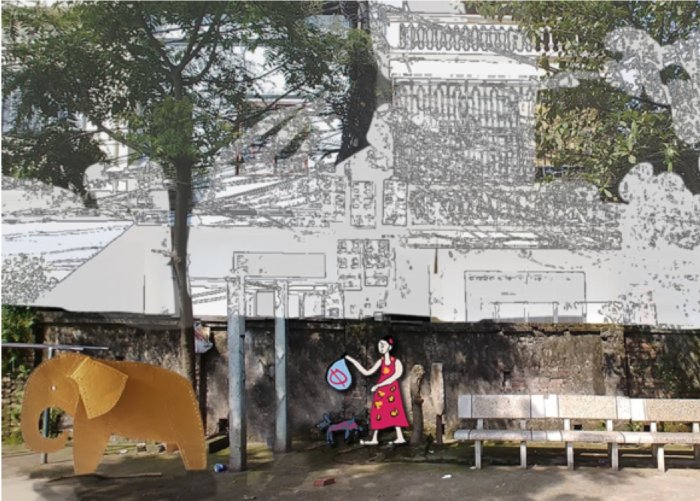
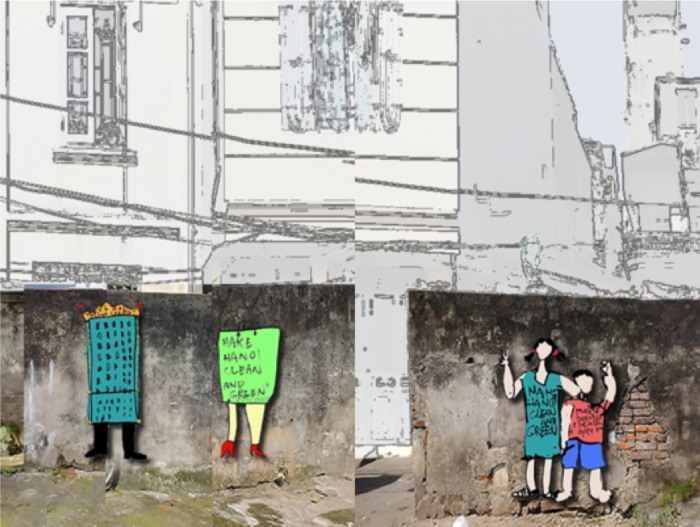
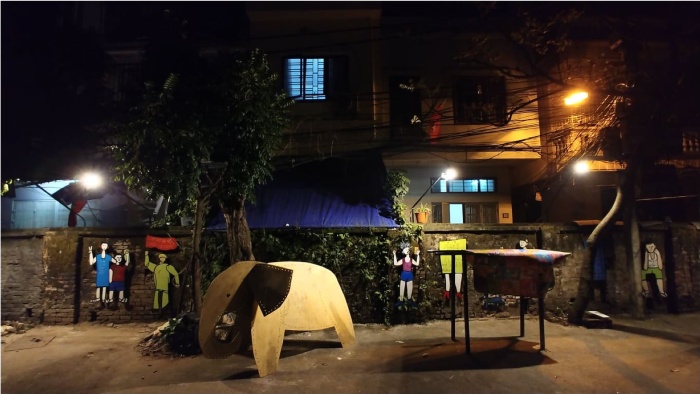
George Burchett is an Australian artist born in Hanoi and has lived and worked in Vietnam for many years. He is an international artist whose artworks have been exhibited in many countries. In this project, George Burchett used the image of an elephant in the history of Vietnamese culture; the elephant of Ba Trung, Ba Trieu used to fight the enemy; the elephant is also a symbol associated with nature. He made an elephant model in the same way as children’s paper folding craft. The work will especially attract children.
The artwork “Lịch sử vỡ” (Ceramic History)
By: Vuong Van Thao
Dimensions: 5m (long) x 1.8m (high)
Material: Ceramic plates and gold
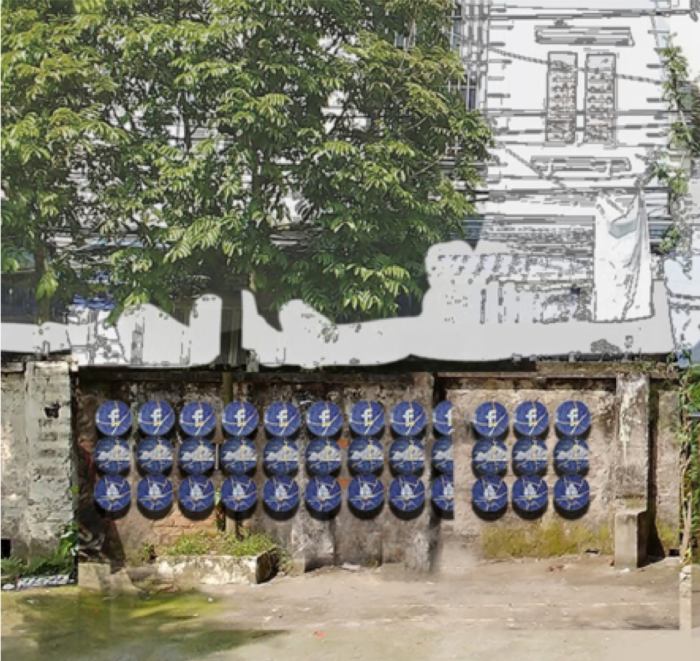
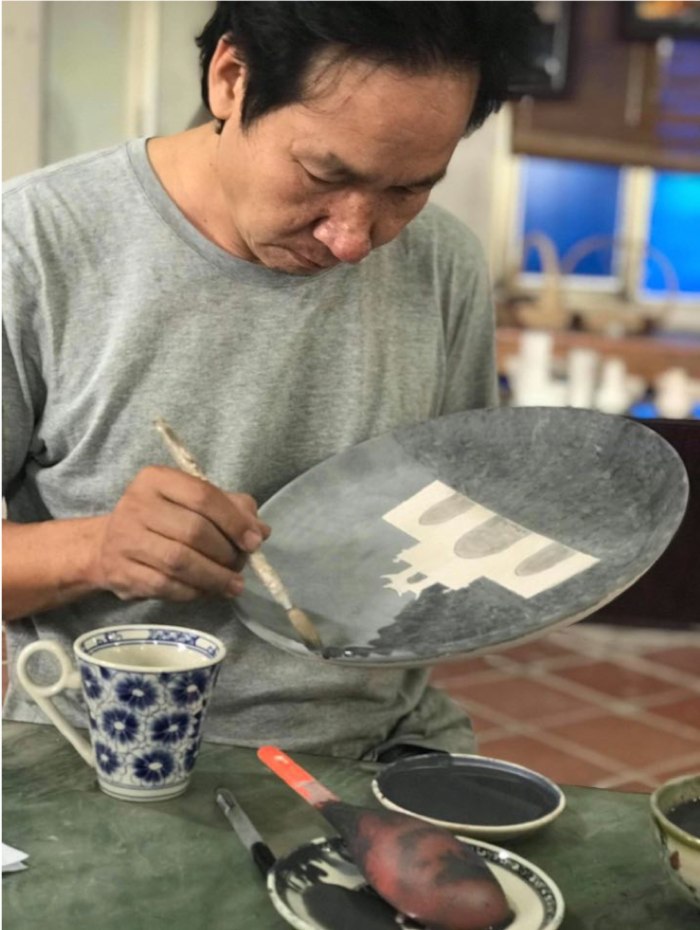
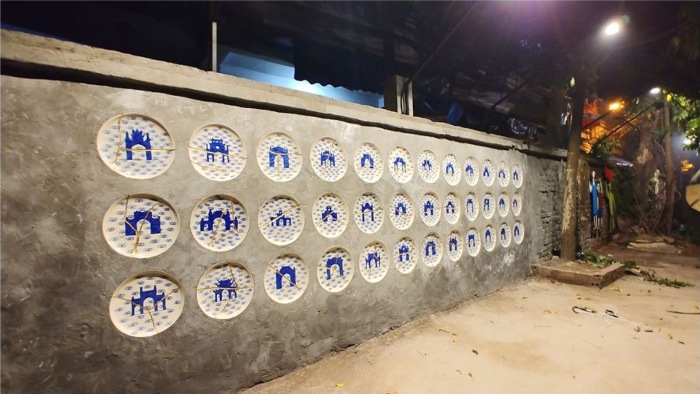
Vuong Van Thao is a famous painter for using a wide range of materials from painting to sculpture. His subjects are often the fossils of the tangible and intangible cultural heritage frozen in amber blocks. In this project, he installs 36 ceramic plates with 30cm in diameter, depicting the story about the ancient riverside pottery village – Bat Trang. Broken pieces of image of village communal houses in the old town of Hanoi were put together. The use of gold dust to attach broken pieces has delivered a contemplation of lost cultural values in Vietnamese history and evoked the questions of this era’s behavior with those heritage values.
The artwork “Vòng quay” (Rotation)
By: Trinh Minh Tien
Dimensions: 4m (long) x 3m (high)
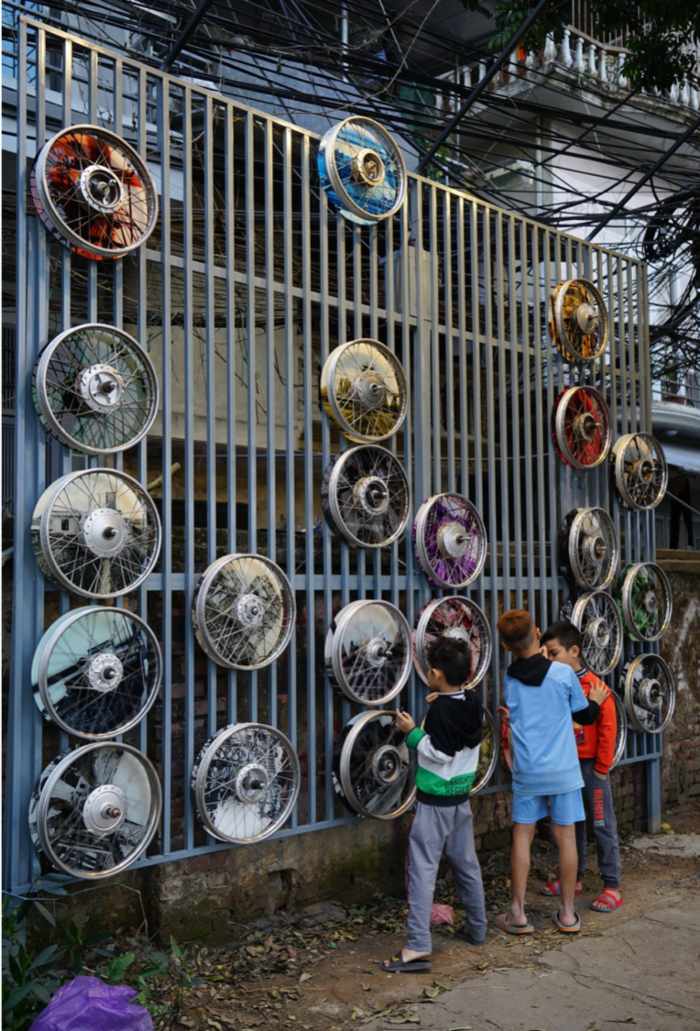
Material: Wheel rim combined with plastic used to UV printing photos
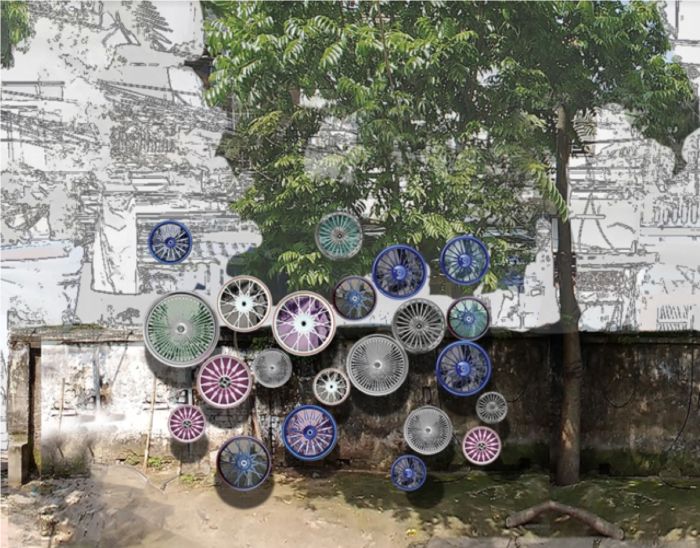
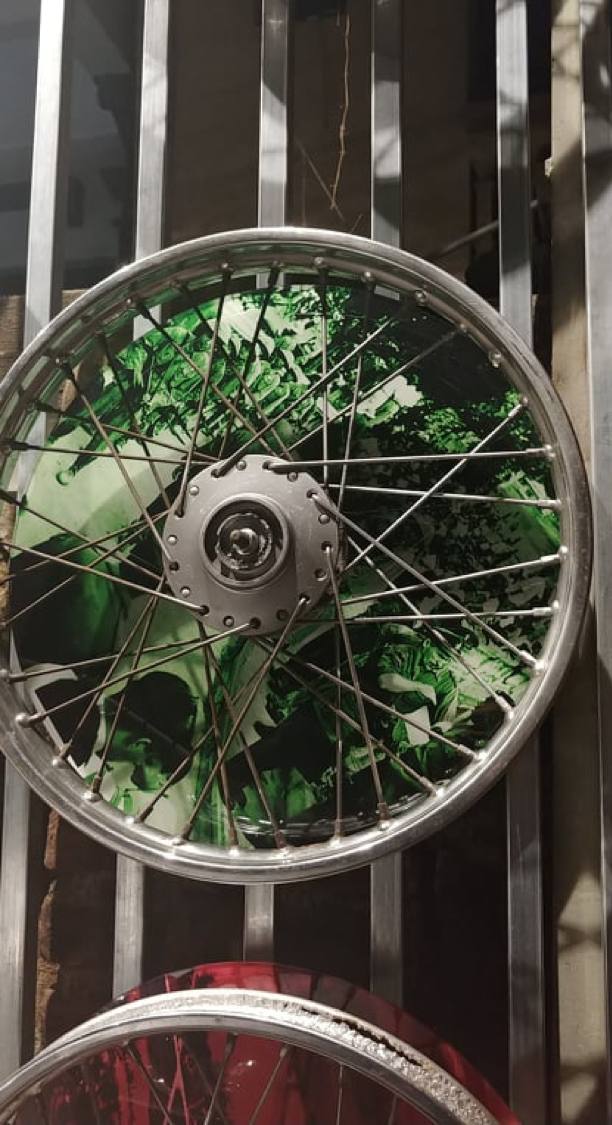
Trinh Minh Tien is a young artist who is very good at using paint guns to create unique work. In this project, Tien uses old motorbike wheel rims combined with images of the historic bridge, Long Bien. The photos of the Long Bien bridge are printed with ultraviolet lights on plastic sheets to create an installation artwork interacting with viewers. The artwork connects the author with viewers so that he can share memories with the bridge and love for the bridge. Images are used as pieces of life, of history is changing day by day. Wheels are like revolutions of history; they appear for the connection of space and time. Putting the pieces of the bridge picture together likes a connection to the past, present, and future.
The artwork “Nhà nổi” (Floating House)
By: Le Dang Ninh
Dimensions: 5m (long) x 2.5m (high)
Material: iron barrel, aluminum mirror, and LED
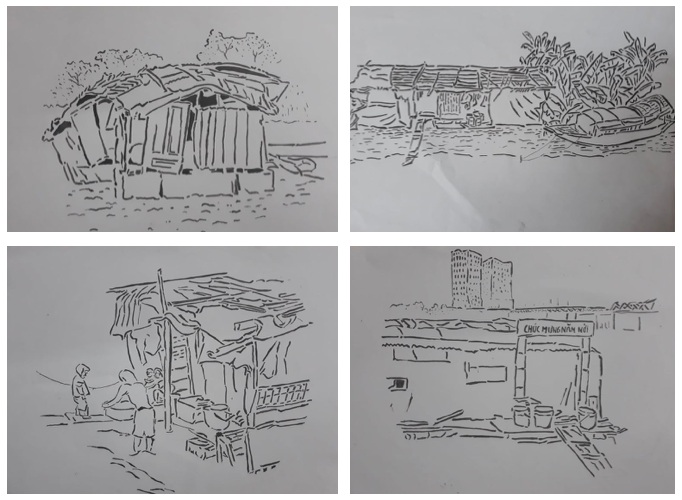
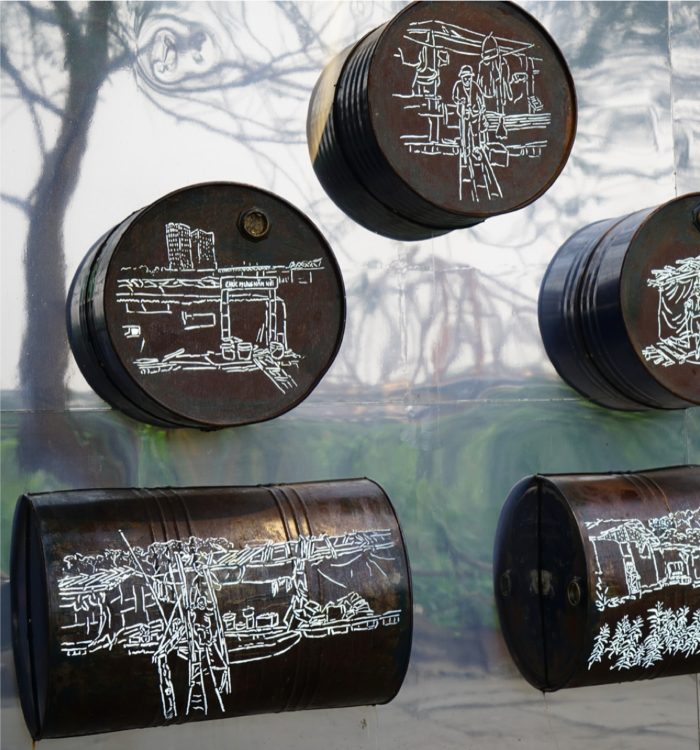
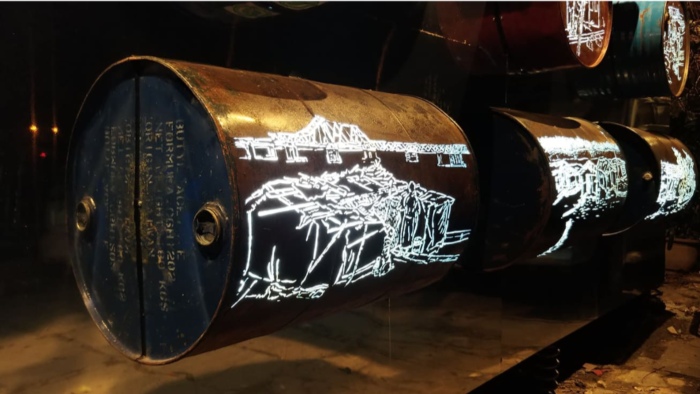
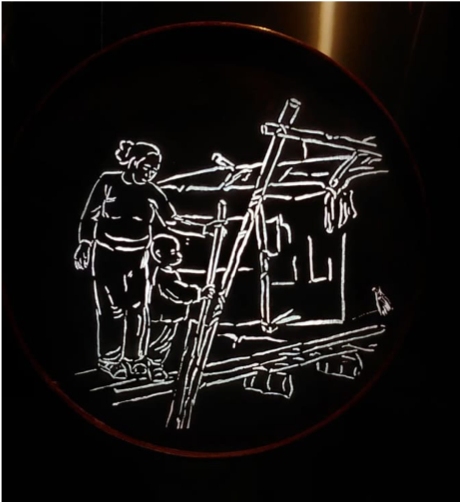
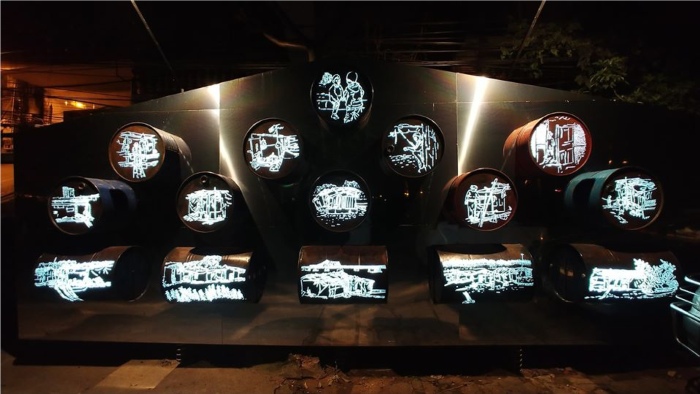
Le Dang Ninh is a young painter who has participated in Phung Hung Mural Street and the Art Project in the Basement of National Assembly House. He’s so professional in carving on mica, iron. In this project, Ninh uses old barrels that are indispensable materials in floating houses on the Red River; he wants to portray the images of those houses on the barrel with laser technology combined with installing LED inside. This installation will be an interesting reflection of immigrants who dwell on floating boats – familiar images clinging to the Red River from the past. The artwork becomes very shimmering at night when the light of the LED shines from inside the barrel.
The artworks “Gánh hàng rong” (Street Hawkers), “Phù điêu Đông Dương” (Relief of Indochina)
By: Nguyen The Son
Dimensions: 10m (long) x 1.8m (high)
Material: CNC cutting iron, aluminum mirror, and cement relief
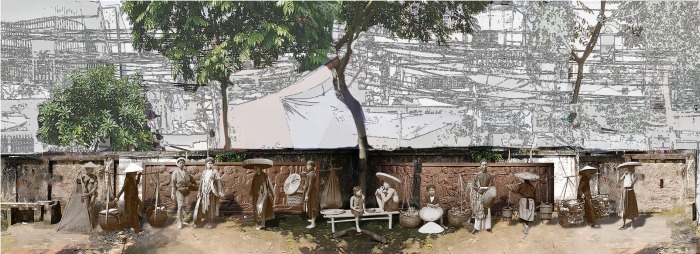
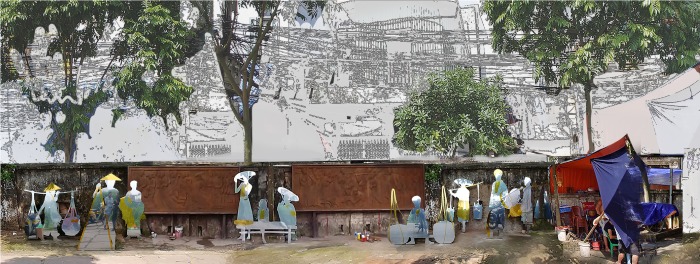
Nguyen The Son is a curator of public art projects: Phung Hung Mural Street and the Art Project in the Basement of National Assembly House. In this project, he will make the story of street hawkers, peddlers, workers who once gathered right at the banks of this river. The artwork is reminiscent of the boats and the dock at Kẻ Chợ (old name of Thăng Long). Besides, there are two reliefs with a total of 6m length, made of cement mixed with composite. They are reconstructed miniature versions of the “Fishery and Agriculture” relief which currently located on the hidden wall of Vietnam University of Fine Arts. This installation reflects the life contexts as well as artistic heritage that have existed and changed over time.


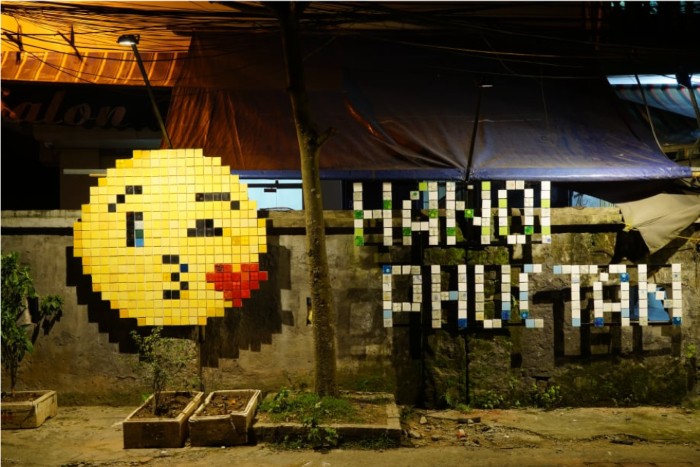
The artwork “Emoji City”
By: Nguyễn Hoài Giang
Dimensions: 3.5m (long) x 1.5m (high)
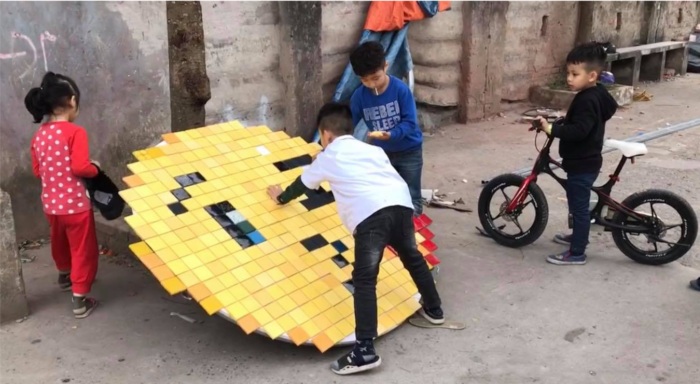
Material: Recycled plastic
Nguyen Hoai Giang is a young painter who makes great efforts in practicing art in connection with the landscape.
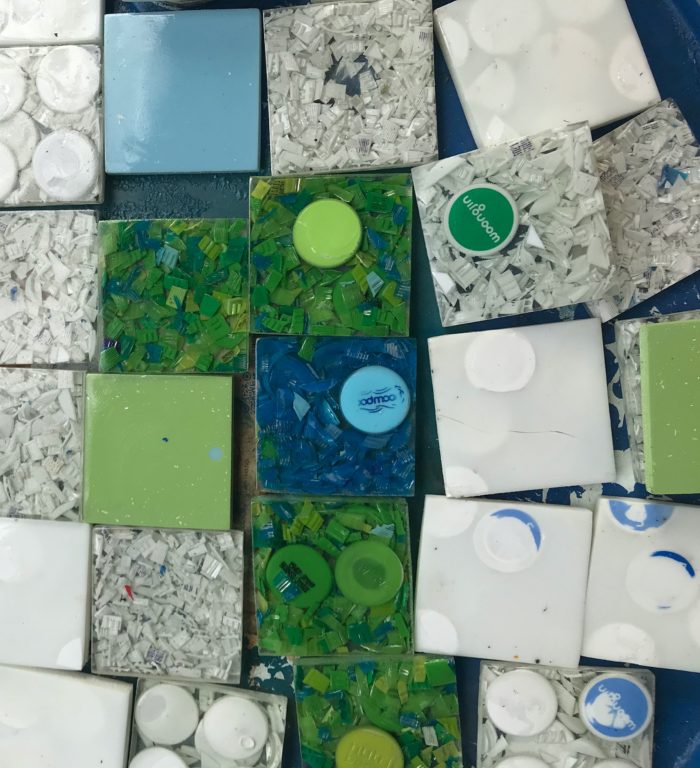
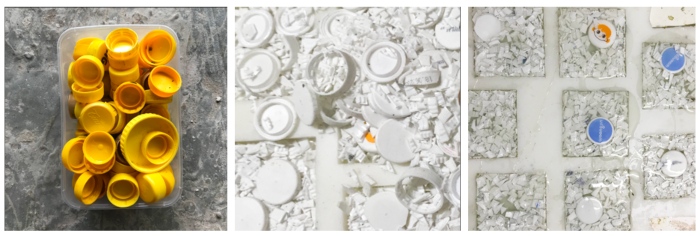
By collecting, sorting, and recycling plastic bottle caps, Giang creates colored plastic bricks in a square shape, which then forms the artwork. The plastic caps used for the bottle are HDPE; they are easy to fuse, durable, and suitable for public work. They are highly interactive, easy to repair, and deliver a message about environmental protection.


By Hanoi Grapevine