
Rebuilding heritage sites in the heart of Hanoi
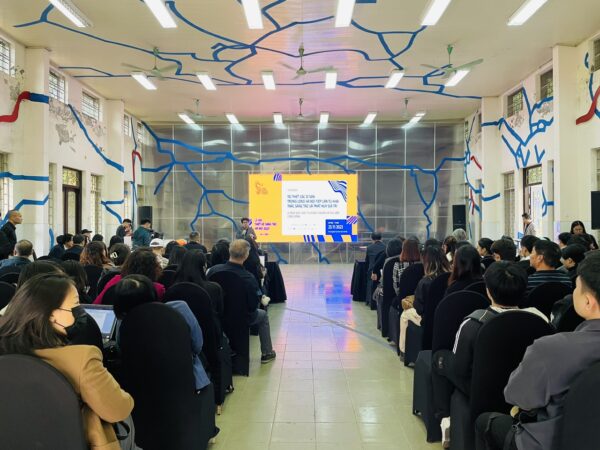
The seminar “Rebuilding heritage in the heart of Hanoi” approaching from creative exploitation and value promotion, organized by the Department of Culture and Sports in collaboration with Hanoi University of Architecture on November 23, clarified Methods and effectiveness of converting urban heritage and industrial heritage to serve creative activities.
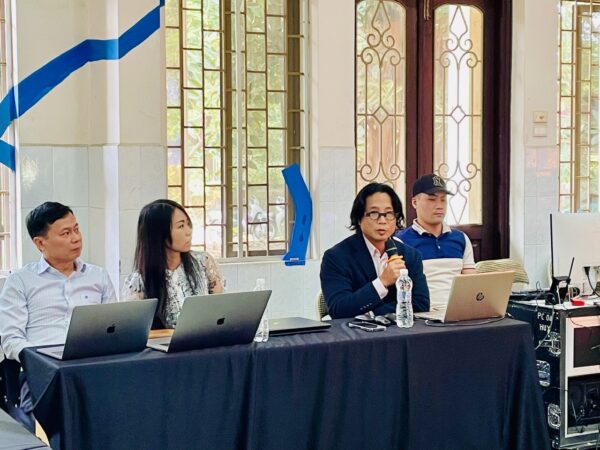
The discussion heard 3 presentations with the following contents: “Rebuilding Industrial Heritage from evaluation to management and creation” (Dr. Architect Dinh Hai Yen), “Village in relationship with projects Hanoi suburban development” (Master Architect Pham Thuy Linh); “Renovating and preserving old dormitories in Hanoi from the perspective of urban heritage” (M.A. Architect Nguyen Viet Ninh).

Dr. Architect Dinh Thi Hai Yen
According to Dr. Architect Dinh Thi Hai Yen emphasized: “In the context of constantly moving and developing urban areas, old industrial buildings are not only objects of conservation but also cultural highlights and driving forces for development.” economic experience. The adaptive transformation of old industrial buildings in the urban spatial structure of Hanoi’s inner city area must be developed using appropriate methods to ensure that it meets immediate needs and long-term development goals of urban areas”.

Architect Pham Thuy Linh
For Master Architect Pham Thuy Linh, the village is a part of Hanoi’s heritage. The village’s heritage can be classified into three groups according to their function and spatial variation. Groups have integrated into today’s life, one group is somewhat adaptable while the other group is not suitable… Well-adapted legacies (beliefs and religious legacies) continue to exist; partially adapted heritage sites (traditional housing): exist but must be adapted; Non-adaptive heritage sites (public spaces, agricultural lands, ponds, lakes) then disappear. This shows that, depending on the degree of adaptation to the new context, heritage will disappear or continue to exist alternately within the new village and urban space. The question is how to preserve the cultural and architectural values of the village in relation to other urban development projects.
Architect Nguyen Viet Ninh
The old dormitory area is the content discussed by MSc. Architect Nguyen Viet Ninh did in-depth research. According to Nguyen Viet Ninh, old dormitories contain many values: historical value, architectural art value, technical and technological value; socio-cultural value, use value… In the flow of modern life, when many high-rise buildings and new apartment complexes spring up, it also raises and answers the question of conservation. , how to promote these values?
View of the Dialogue
Hanoi is promoting the development of cultural industry, including creative culture. The city has had resolutions and plans to ensure sustainable development, becoming a key economic sector with high speed, density and added value. Although converting urban heritage and industrial heritage for creative activities will be a long-term process, from changing awareness to action, the benefits brought by creative activities, especially The initial success of some models in Hanoi will open up great opportunities for other heritage sites./.
TPST