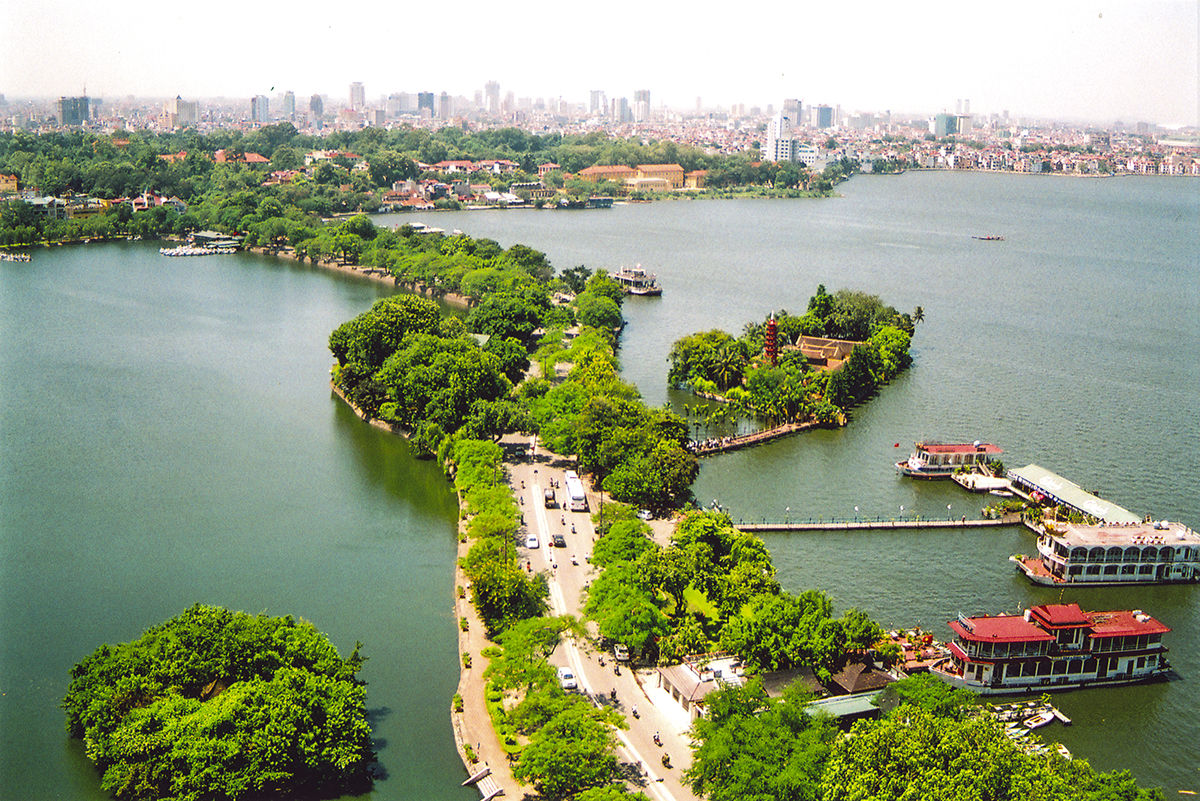
Hanoi developed creative city into creative tourism products
Hanoi City is one of the cities with great potential for creative tourism development. Hanoi has a long history of cultural culture, with many historical sites, landscapes, traditional craft villages, along with a system of universities, research institutes of cultural, artistic, design. next, creative.
The Net for Innovative Cities of UNESCO (UCCN) was established in 2004 to promote cooperation among cities with the same goal of creating creativity as a strategic factor for sustainable urban development, placing public industries. Cultural and creative career in the center of local development plans, and actively participate in international cooperation activities. The network currently has 350 cities from more than 100 countries, focusing on 7 creative areas including: Design, Literature, Music, Crafts and Folk Art, Food, Cinema and Media Art .
1. Creative city
The cities of the network come from all continents and areas with different income and population, together towards a common mission, creating creativity and creative economy as the core of Urban development to advance to safe cities, integration and sustainable development, implementing the UN 2030 agenda on sustainable development. As of December 2023, Vietnam has 3 cities within the Net for creative cities of UNESCO, including: Hanoi, Da Lat (Lam Dong), Hoi An (Quang Nam).
2. Creative tourism
Access to theoretical perspective, creative tourism is understood as a typical type of tourism of cultural tourism. Participating in creative tourism activities, tourists will be able to learn, learn culture, art, customs at the destination through learning activities, interactions, practical and deep experience. Sac with culture, society, people in tourist destinations.
The characteristic of innovative tourism is to raise awareness, learn new life experiences, unique knowledge of peoples in the world. It is these characteristics that make creative tourism rated as the tourism activity of the new generation and it has a clear difference with previous forms of tourism. Innovative tourism activities may include: painting, sculpture, pottery, folk dance, cooking, … Creative tourists are guests that they themselves do not consider them as “guests Normal travel ”that through trips, they want to experience like indigenous people. They will learn, approach and discover cultural values to compose and create products or works of art where they go and be connected, interact with locals, experience, experience Traditional lifestyle.
Today, creativity is often considered a major resource in the knowledge economy, leading to creations and changes in technology, while bringing a competitive advantage in business and national economies and national economies. . The basic foundation of creative tourism is creativity. Creativity is an important characteristic of human intelligence. Creativity is a intrinsic need of man. At different levels, people with normal knowledge are aimed at and create new values, or material, or intangible.
3. Benefits of innovative tourism
Along with other cultural tourism activities, creative tourism also creates growth and socio -economic development of the country and localities, especially solving employment problems for workers. The verb is the local conditions and facilities, and at the same time, creative tourism also contributes to preserving and promoting unique cultural values.
The most obvious benefit that creative tourism can bring is to preserve and promote the development of intangible cultural heritage. To preserve traditional local products such as handicrafts, cuisine, language, music, nature, sports activities, … in parallel with the pride of the indigenous people for Local traditions are recognition and love through experience from tourists to be able to maintain those activities.
Creative tourism is a sustainable type of tourism because the main resource of this tourism activity is the creation of tourists and indigenous people. If historical sites or landscapes can be faded over time and it will be difficult to retain the original after the restoration and embellishment, the creative tourism will be exploited by the brightness. Create and experience the experience of visitors along with the professional values of indigenous people – a solid and constant foundation.
Creative tourism is specific to each land because of the unique values in the culture of each region. This type of tourism exploits from the value of knowledge, experience, and life skills of indigenous people, so it is difficult to copy and bring a very unique experience. This also facilitates the land without geographical and natural advantages that can attract tourists with historical and cultural values as well as the ability to innovate to create a special experience. for visitors. The original and sustainability of the destinations are preserved, becoming the resources of creativity, contributing to improving the spiritual value and pride of the local people about their traditional culture.
When participating in creative tourism activities, visitors want to experience indigenous culture by participating in educational activities, art composition or participating in cultural and artistic performing activities together. local people. This will contribute to reducing the focus on traditional tourist destinations, helping to distribute the tourism space in the destination, thereby preserving intangible cultural values. Opportunities to develop creative tourism thanks to a rich and diverse tourism resources with unique traditional cultural values, attractive cuisine, beautiful natural landscapes. In addition, the rapid development of tourism and information technology infrastructure also helps visitors easily access to new trends of society.
The development of creative tourism in Vietnam contributes to diversifying and improving the quality of the tourism product system, increasing the competitiveness of the product; preserving cultural values, attracting the participation of the community in tourism development; Developing a unique tourism brand, attracting tourists through social network effects.