
Experiencing urban heritage: A learning opportunity for students in the capital city
Students in Hanoi are adopting a new approach to urban heritage: learning through experience rather than just classroom lectures. Through cultural activities, extracurricular programs, and community events occurring right within the city, students “touch” heritage through practical, accessible, and emotionally resonant lessons. These experiences enrich knowledge, nurture pride, and foster a sense of belonging to their residence. More importantly, they unlock a new level of awareness, contributing to opportunities and motivating the younger generation to become a force within the future cultural and creative industries.
Alongside students, many families find a “reason” to accompany their children. Weekends spent exploring monuments, architecture, and historical narratives become quality time as parents and children learn, observe, and question Hanoi’s past together.
Studying at the historical site
There was a period when the youth were often criticized for a lack of historical and cultural knowledge. However, a candid look at reality reveals that adults also contributed to this gap. At school, history was frequently confined to the rigid framework of a ‘core academic subject.’ Within families and communities, temples and communal houses were often tacitly regarded as solemn spaces reserved for the elderly. Curious children seeking to explore were sometimes reprimanded. Consequently, heritage gradually drifted away from daily life.
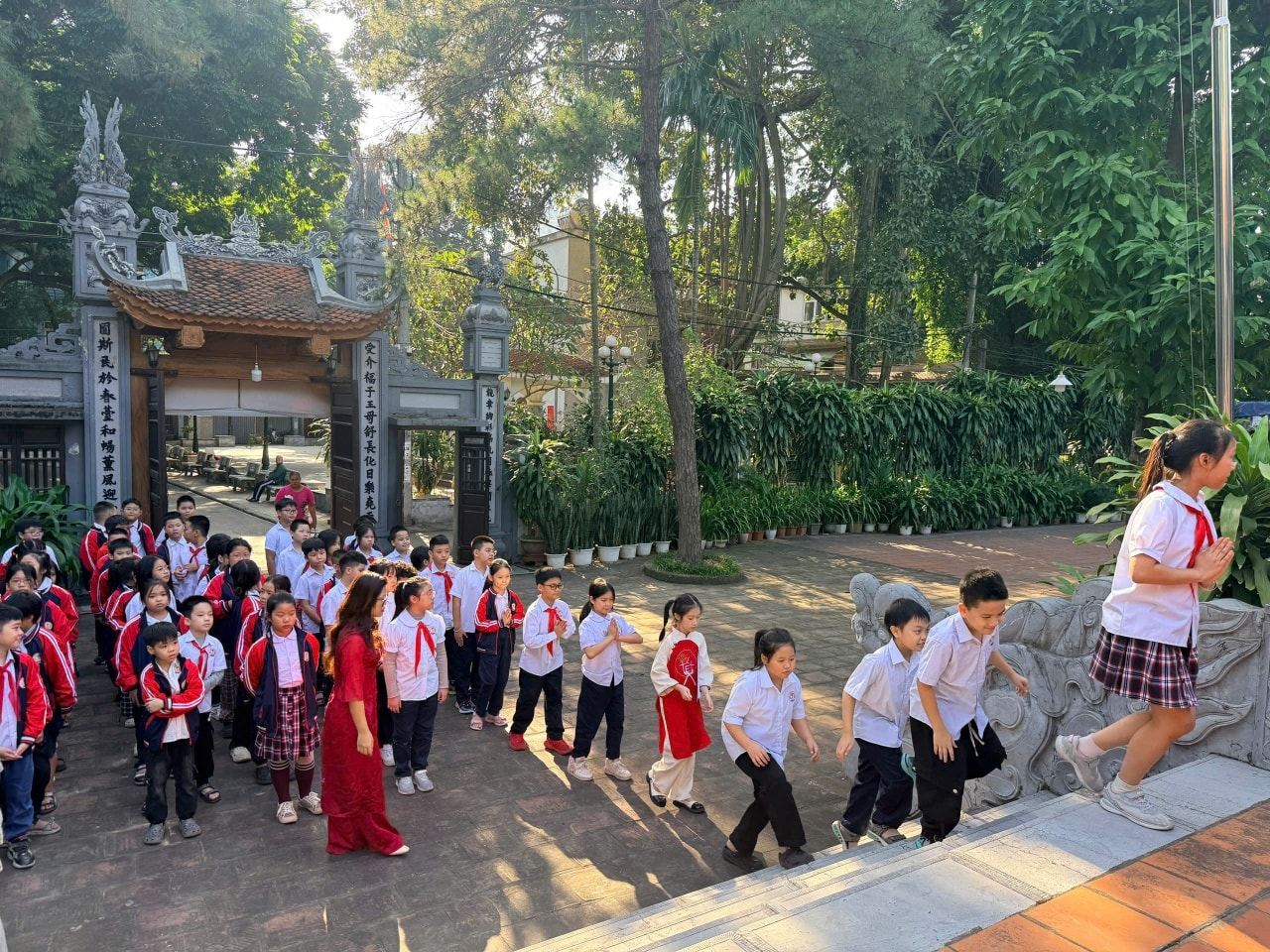
Today, a reversal of this trend is underway. Tay Ho District serves as a prime example: 100% of local primary and secondary schools now organize history and culture lessons directly at heritage sites instead of relying solely on theory. In mid-October 2024, students from classes 4A5 and 4A9 of Xuan La Primary School visited Quan La Communal House and the President Ho Chi Minh Memorial Site in Xuan La Ward. The children listened to narratives about the origins and architectural beauty of the communal house, and were surprised to discover that their own ward had welcomed President Ho Chi Minh on several occasions. Ms. Nguyen Thi Huyen Trang, the teacher leading the lesson, shared her joy in seeing students so eager to uncover their local stories. What was once distant and unfamiliar has become close, infused with memory and affection.
Images of students visiting and learning at Quan La communal house. Photo: Xuan La Primary School
This ‘on-site learning’ model is expanding across other districts. Dong Co Temple has become a familiar destination for students in Buoi Ward, while Nhat Tan Communal House offers children access to the cultural heritage of the traditional peach blossom village. Hai Ba Trung District features the Special National Site of the Hai Ba Trung Temple in Dong Nhan Ward. Dong Da District is synonymous with the Dong Da Mound and the Temple of Literature (Van Mieu – Quoc Tu Giam). Beyond historical sites, Cau Giay District offers learning touchpoints linked to traditional craft villages, such as Vong Village (green sticky rice) and Cot Village (paper making). Many schools go beyond mere sightseeing, requiring ‘capstone projects’ in the form of artistic performances, knowledge competitions, or creative products. Spaces that were once strictly solemn are being ‘opened’ in a more child-friendly and engaging manner.
Global Citizens Still Need a Homeland
Raising children to become ‘global citizens’ is an understandable trend as the world flattens and cross-border opportunities for education and employment become more prevalent. Proficiency in foreign languages, technology, and an understanding of international cultural trends are essential tools for this journey. However, the further one travels, the more critical the narrative of identity and origin becomes. In international environments, many Vietnamese youths are asked about their homeland, history, and cultural traditions. Without sufficient knowledge to introduce their country, a sense of alienation is inevitable. While globalization is powerful, localization is equally potent. When one cannot answer who they are or where they come from, it is difficult to find a firm footing in an open world.
Activities that reconnect the youth with traditional heritage, such as Xam singing performances in the streets organized by the Center for Promotion of Vietnamese Intangible Heritage, demonstrate that the need for such connection is by no means ‘outdated.’ The journey of ‘Team Africa’—a collective of Vietnamese friends in Angola—highlights a pivotal truth: when abroad, an individual represents more than just themselves; they shape the very image of their nation. Upon stepping onto the global stage, every person becomes a cultural ambassador in their own right—and no global citizen exists without a homeland.
Accessing Heritage Through Experiential Learning
Beyond the local history curricula implemented in the general education system, Hanoi offers a diverse range of heritage experience programs organized by cultural institutions and monument management units. The Thang Long Imperial Citadel features activities such as ‘Exploring Heritage’ and ‘Becoming an Archaeologist.’ The Temple of Literature (Van Mieu – Quoc Tu Giam) has developed various thematic programs tailored to different age groups, including ‘Discovering the Stone Stelae of Doctors,’ ‘Searching for Sacred Creatures in Ancient Architecture,’ ‘The Ancient Classroom,’ and ‘Environmental Assessment of Heritage Sites.’ Each theme serves as a ‘gateway’ for students to engage with heritage through discovery rather than rote learning.
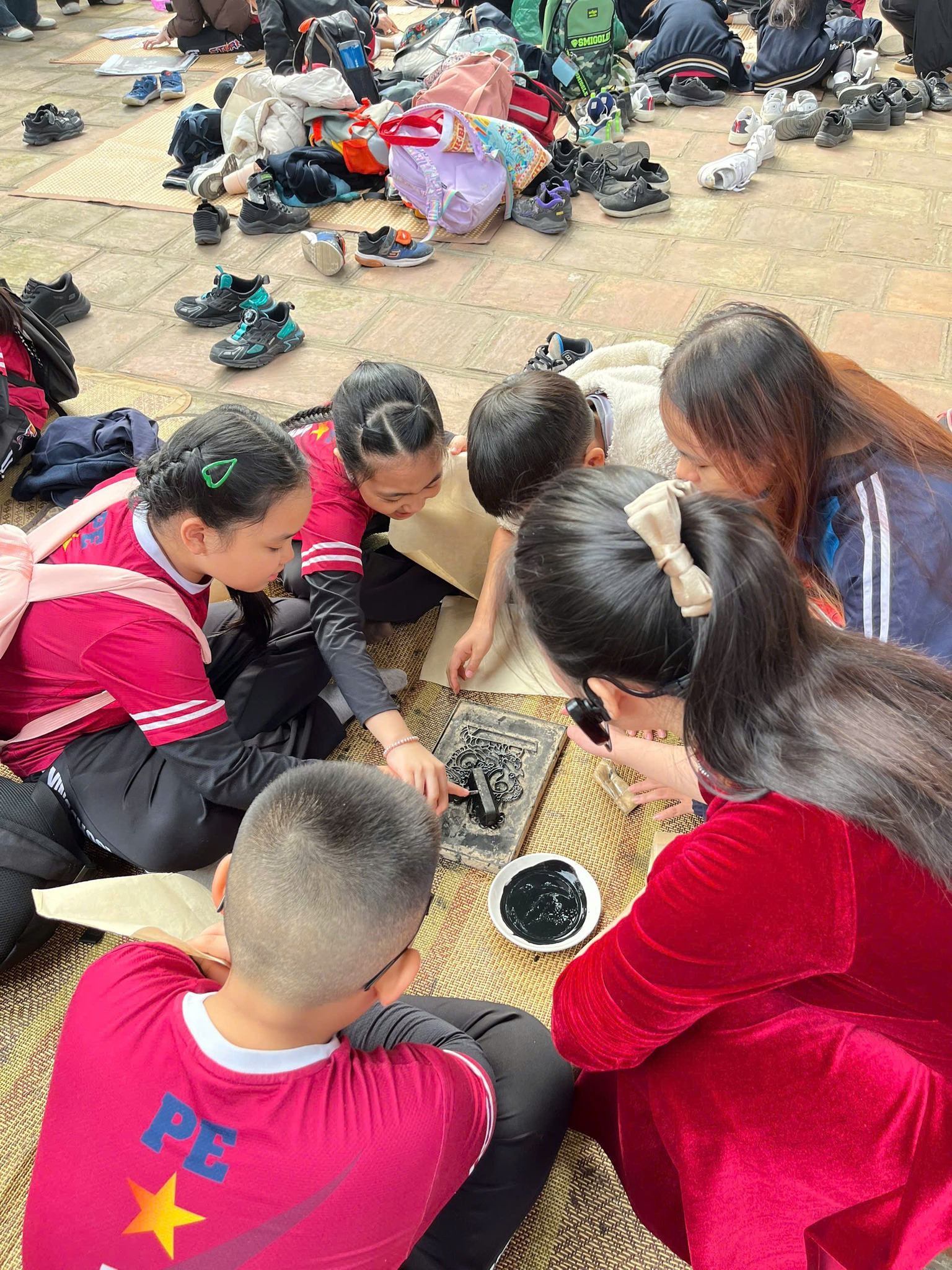
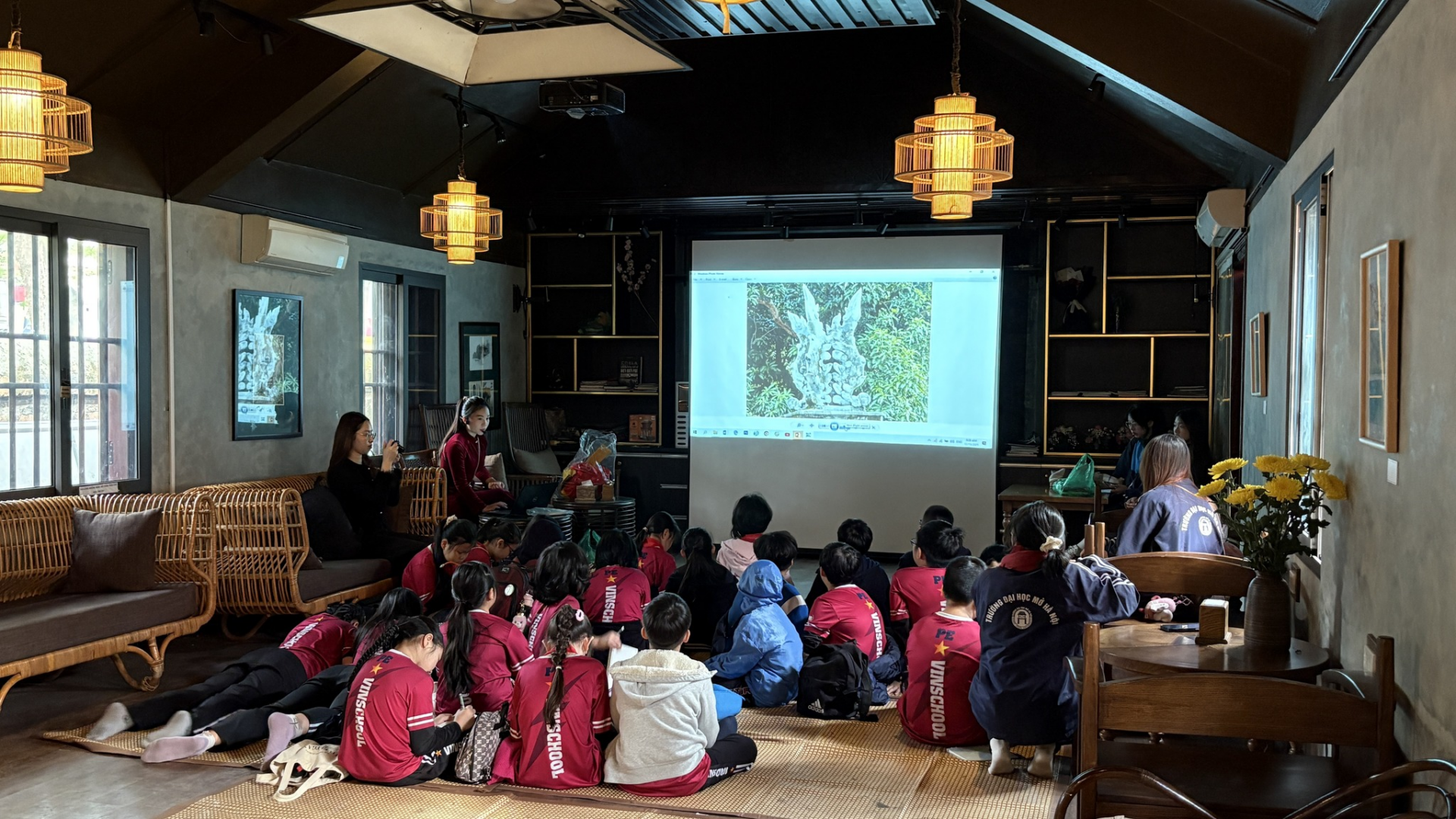
Photo: The Temple of Literature & Imperial Academy
In the context of global integration, leveraging the intrinsic power of culture and heritage provides a distinct competitive advantage. Consequently, the perception of culture is shifting. While culture was previously often viewed as a ‘cost center’ for propaganda and mobilization, the growth of cultural industries is gradually repositioning it as a resource that generates economic value. Traditional heritage has become the ‘raw material’ for numerous sectors: cultural tourism, fine arts, architecture, design, performing arts, handicrafts, cinema, publishing, gaming, and digital entertainment. Nurturing a love for heritage in the youth, therefore, equates to opening new career paths for them.
During the peak of the 2024 creative cultural season, students and families explored many of Hanoi’s landmarks—simultaneously familiar and novel—such as the Hanoi Children’s Palace, the National Museum of History, the Opera House, and the Ton That Thuyet campus of Vietnam National University. Through exhibitions, art performances, seminars, and workshops, these experiences offered more than just historical knowledge; they provided inspiration for the youth to see the link between heritage and contemporary creativity, serving as a ‘catalyst’ for their professional journeys within the cultural and creative sectors.
Professional perspectives also underscore the central role of education within museums and monuments. Dr. Le Thi Minh Ly, Vice President of the Cultural Heritage Association of Vietnam, noted that while heritage education seems familiar, it remains a novel concept for some museums in Vietnam; seeking new perspectives and methodologies is both essential and challenging. Ms. Nguyen Thị Thu Hoan, Deputy Director of the National Museum of History, emphasized that community-engaged education is a vital mission for a modern museum. She highlighted the museum’s efforts to innovate on-site experiential activities through collaborations with nearly 30 museums and heritage sites nationwide.
From a management standpoint, Mr. Nguyen Hai Ninh, Head of the Museum and Documentary Heritage Management Department (Department of Cultural Heritage), argued that museums provide opportunities for generations to connect with heritage through displays, concerts, and educational programs. Helping the youth understand and feel heritage values contributes to shaping their responsibility in preserving and promoting these assets. However, applying an interdisciplinary approach presents challenges: complex knowledge volumes, requirements for deep analytical skills, a shortage of multi-disciplinary experts (in music, aesthetics, and psychology), and the difficulty of balancing development with preservation amid urbanization.
Ms. Duong Ngoc Ha, Head of the Education and Communication Department (Van Mieu – Quoc Tu Giam), observed that heritage education in many places is still in an experimental stage. Despite Vietnam’s active promotion, heritage education has only gained significant attention in practice and research over the past decade, with heritage often still viewed more as a tourism resource than an educational material. Concluding a specialized seminar, Mr. Pham Dinh Phong, Deputy Director of the Department of Cultural Heritage, emphasized that each museum and monument requires its own educational development plan, focused on understanding public needs and researching creative, attractive programs integrated with audience development and marketing.
In summary, by treating heritage as ‘living materials,’ Hanoi is achieving two goals simultaneously: re-integrating history into students’ daily lives and preparing a generation with a strong identity for the creative era. Education is the measure of a museum’s effectiveness, but it is also the starting point for heritage to accompany contemporary life, rather than remaining a framed memory.