
Jonathan Wallace Baker: “You Are Hanoi Creative City”
Looking back on Hanoi’s journey as a UNESCO Creative City of Design, Jonathan Wallace Baker, UNESCO Representative to Viet Nam, says the designation has helped the city rethink design as a tool for urban development, cultural vitality and public participation. In a recent interview with Hanoicreativecity.com, he highlights several priorities for the next stage, from strengthening the creative ecosystem, data, education and public-private partnerships to bringing Vietnamese heritage-inspired products to the global stage.
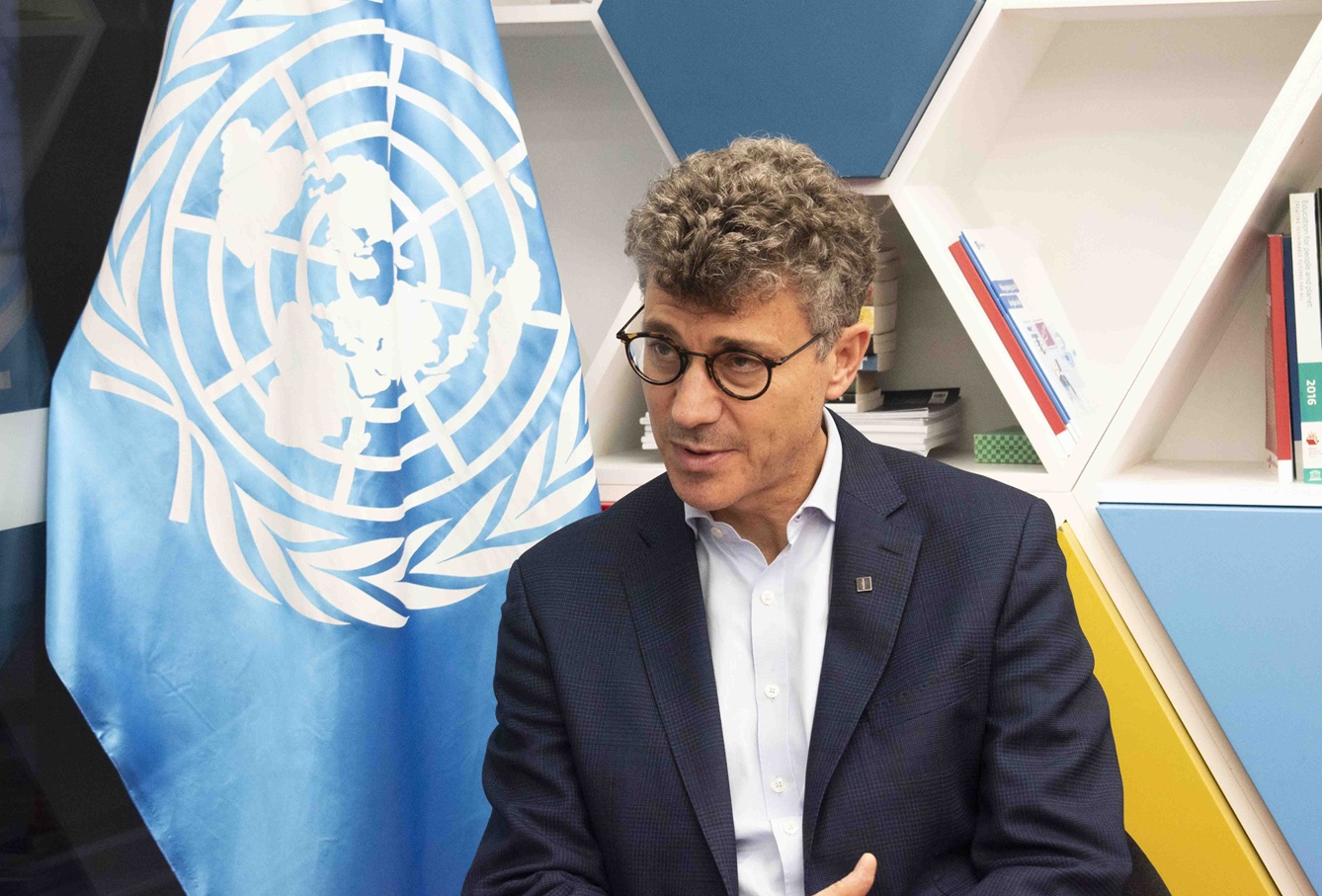
Jonathan Wallace Baker – UNESCO Representative to Viet Nam. Photo: hanoiceativecity.com
Looking back on Hanoi’s journey as a UNESCO Creative City of Design, how has the city evolved from holding an international title to turning design into a genuine development strategy?
Hanoi’s designation as a Creative City of Design has, I think, really helped the city rethink design as a tool for urban development, cultural vitality, and public participation. Hanoi has made great progress in several areas.
First, design has become more visible throughout the city and in public life, especially through the Hanoi Creative Design Festival and the activation of heritage and public spaces.
Second, heritage is increasingly being connected with contemporary creativity, as seen at the Imperial Citadel of Thang Long, with new cultural experiences.
Third, the city has shown a very strong policy commitment, including through a dedicated resolution on cultural industries.
Fourth, citizens, especially young people, are becoming more active contributors to the city’s creative life. One example is the Re:Craft Summer Camp, where university students work with Hanoi’s craft villages and artisans. I participated in the opening a few days ago.
Finally, and I think this is a very important point, there is now a more connected creative and cultural ecosystem, shown by the launch of the 82 Hanoi Creative Spaces and the Creative Spaces Digital Map.
From UNESCO’s perspective, what are the key challenges and priorities for Hanoi to ensure that its City of Design status continues to support the capital’s cultural and creative development through 2030?
The first point I would like to mention, as I said in my previous answer, is the importance of continuing to build this creative ecosystem. What Hanoi has already established needs to be built upon, and the different spaces created must work together as a cohesive ecosystem, supported by appropriate policies.
There is already strong policy support, but this needs to continue to enable creative entrepreneurs to access finance, permits, and other necessary conditions.
The second point is to continue strengthening coordination and, even more importantly, data. UNESCO has been supporting Hanoi in developing indicators for creative industries, and good data can help the city move from ambition to targeted policies and investment.
Third is investment in people. Hanoi should continue to support cultural practitioners and young people and invest in a more robust and comprehensive education programme.
The fourth point is to leverage public-private partnerships, with private companies involved in heritage and culture-related processes and all stakeholders participating.
Finally, there is international collaboration. This means bringing Vietnamese heritage-inspired products to the global stage.
How can UNESCO continue to support Hanoi in strengthening its role as a UNESCO Creative City of Design?
The first thing UNESCO can continue to do is provide technical advice. That is one of our key roles: to provide technical advice to governments and to the cities we work with. This includes technical advice, international expertise, best practices, and the various connections UNESCO can provide through the Creative Cities Network.
Second, which is also very important, is to continue building capacity across cultural institutions, creative spaces, universities, young people, and private partners.
Finally, as I mentioned before, UNESCO can support this creative ecosystem by leveraging public-private partnerships. For example, through our partnership with SOVICO Group over the past 10 years, we have helped Hanoi turn its creative potential into practical support for young people, communities and cultural institutions.
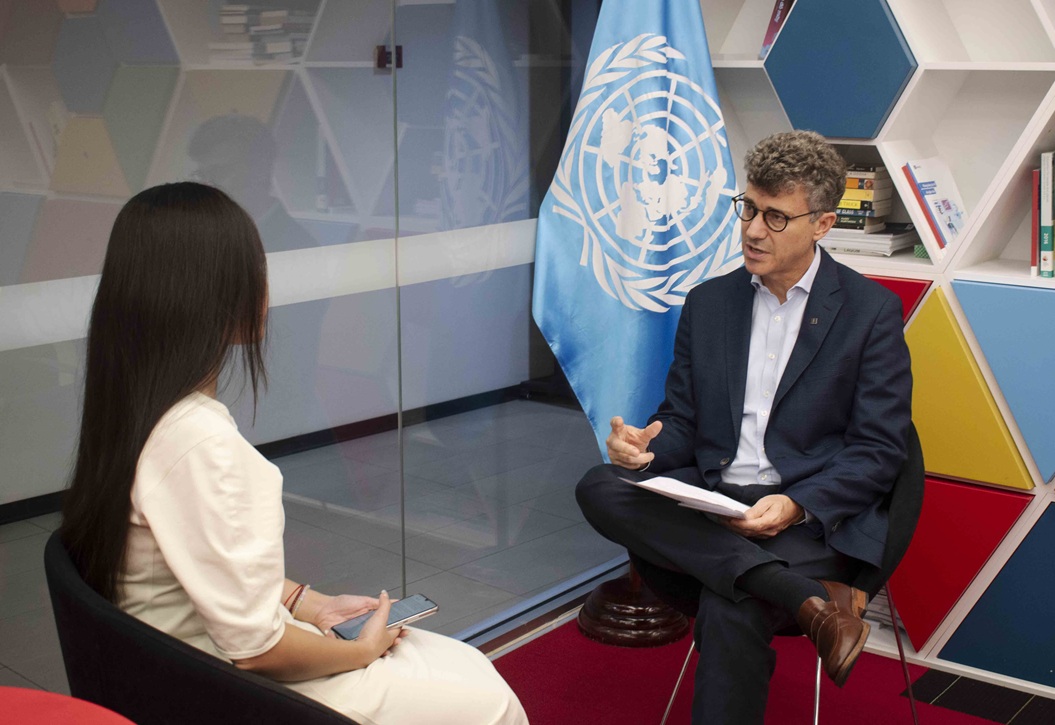
Jonathan Wallace Baker in an interview with hanoicreativecity.com. Photo: hanoicreativecity.com
From your perspective, which priorities emerging from the spirit of MONDIACULT 2025 are most relevant and beneficial for Hanoi in the coming years?
MONDIACULT 2025 builds on the momentum of MONDIACULT 2022, whose declaration recognised culture as a global public good and called for culture to be placed more firmly at the centre of the global development agenda.
I would highlight three priorities from MONDIACULT that can be applied in Hanoi.
The first is the connection between culture and education. Young people should learn about heritage, creativity, skills and opportunities for the future.
The second is to look at the cultural economy. Hanoi’s creative sectors can create jobs, support entrepreneurs and strengthen the city’s identity. Hanoi is really on the right track as a pioneer. I have spoken about our partnership with SOVICO and how the designation has spurred young people to contribute to Hanoi’s creative industries. This is also linked to the city’s work on cultural and creative industries indicators, which can help demonstrate what has been done and the progress being made.
The third point, which came out of MONDIACULT and which I think can very much apply to Hanoi, is digital technology and artificial intelligence. These tools can support documentation, access and creative production, but they must also be used ethically and responsibly.
What message would you like to share with Hanoi’s young creative community – the people helping shape and sustain the city’s Creative City identity?
My message would be simple: this Creative City designation belongs to you. It belongs to the people of Hanoi, to the young creators of Hanoi. It belongs to the people of Hanoi as much as it belongs to the city’s institutions.
A creative city is not built by institutions alone. It is built on the enthusiasm and commitment of people, with young people and people of different generations working together to design, make, perform, write, film, code, restore, teach, and imagine.
Through your work, you are helping to make Hanoi a truly creative city.
You are Hanoi Creative City. That is my message to you.
Is there any creative design initiative in Hanoi that you find particularly impressive?
I would like to highlight the Hanoi Creative Design Festival. I think it is an incredible moment, and I am very much looking forward to the festival in November.
It is a moment when all the different stakeholders and actors in Hanoi’s creative life come together to showcase their work. It is also a moment to bring people in, especially young people, and help them understand the great creativity in the city of Hanoi and become part of that creativity and these events.
It is a wonderful moment that I have already experienced once or twice, actually and I am very much looking forward to experiencing again in November.
Thank you very much.
Source: https://hanoicreativecity.com/ong-jonathan-wallace-baker-chinh-cac-ban-la-thanh-pho-sang-tao-ha-noi/