
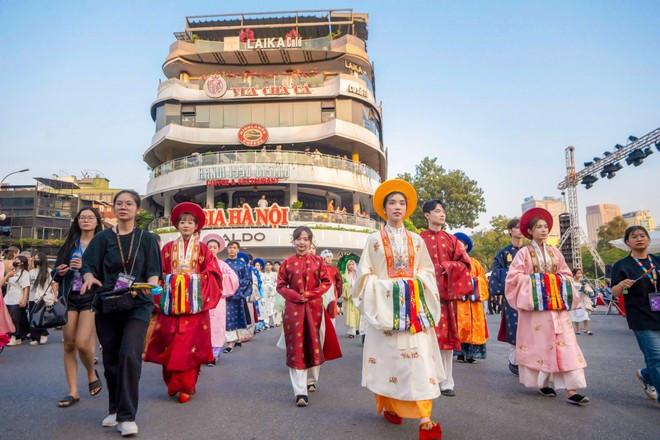
Hanoi: From Cultural Resources to the Power of the Creative Economy
In recent years, Hanoi has been actively pursuing a trend that many cities worldwide have followed for over a decade: harnessing culture and creativity as a complementary resource for economic growth. Back in 2019, when Hanoi joined the UNESCO Creative Cities Network, the concept of the creative industries was still novel to most of the public. Just a few years later, it has become a strategic pillar, frequently mentioned in the city’s development plans, cultural and tourism sector reports, and increasingly evident through tangible figures.
This transformation did not happen overnight but has unfolded through seasonal festivals, the emergence of new creative spaces, illuminated night performances, open exhibitions, craft villages introducing products to the world, and visitors flocking to Hanoi Book Street… By now, the numbers have grown substantial enough to tell a far more compelling story than the optimistic projections of a few years ago.
(Photo: Internet)
The Maturation of an Ecosystem
In the context of Hanoi designating the cultural industries as one of its spearhead sectors under Resolution 09-NQ/TU and implementation plans for 2021–2025, the capital’s creative ecosystem has developed at a remarkable pace. Fields once considered non-economic—such as performing arts, exhibitions, publishing, and creative spaces—have now become “hotspots” attracting audiences and generating significant ripple effects.
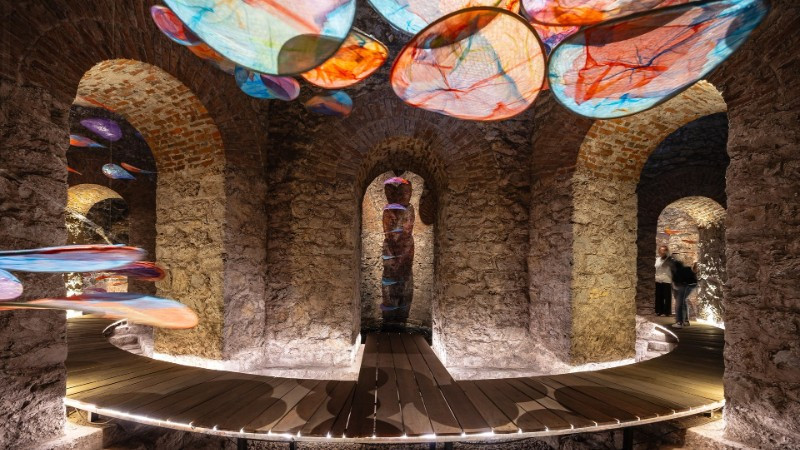
Hanoi Creative Design Festival (Photo: Organizers)
This growth is clearly visible through real data. Performing arts, previously active only seasonally, now feature over 2,500 performances annually, drawing around 600,000 spectators. According to figures from the Ministry of Culture, Sports and Tourism, revenue from the performing arts sector ranges from 40–50 billion VND per year, indicating the formation and stabilization of an urban entertainment market. Additionally, Hanoi’s creative infrastructure includes about 200 creative spaces, 19 museums, 20 theaters, contemporary art centers, and over 40 cinema complexes—making the city the locality with the highest density of cultural facilities in the country.
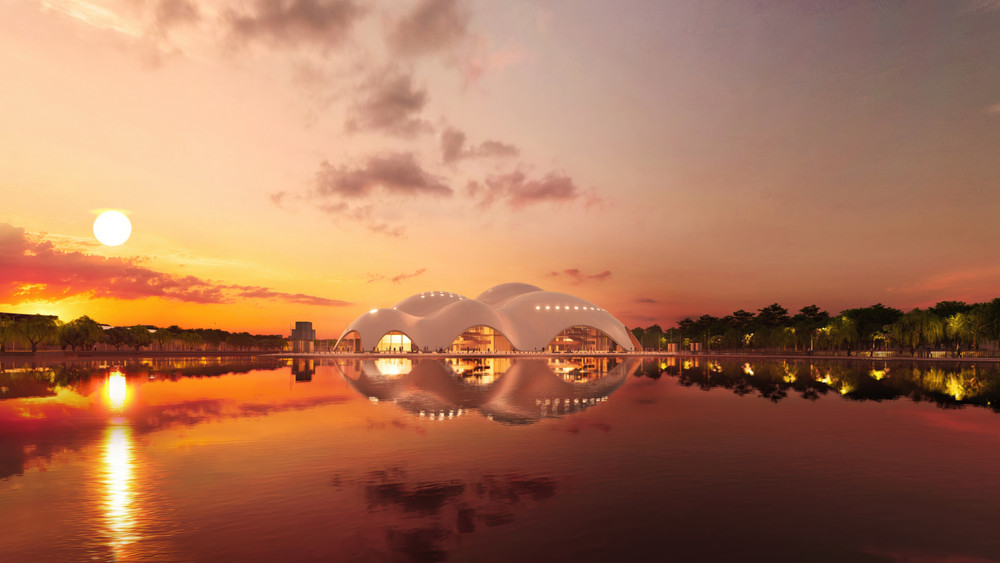
Hanoi West Lake Opera House (construction starting in 2025) (Photo: Internet)
The design sector—one classified by UNESCO as a high-value-added cultural industry—boasts over 2,700 operating enterprises, accounting for 27% of the national total. This reflects a key reality: Hanoi is not just consuming creativity but producing it, not only meeting cultural demand but exporting ideas.
Another strong indicator comes from tourism. When Hanoi welcomed 24 million visitors in 2023, with an average annual growth of 10.1% and revenue nearing 100 trillion VND, much of this influx went beyond accommodation and cuisine to experiences of cultural products like night tours, heritage sites, museums, art programs, and craft villages.
Heritage sites and assets form the foundation of this entire ecosystem. With nearly 6,000 historical sites and 1,800 intangible heritage elements—statistics from Hanoi’s cultural sector in 2024—the city possesses an enormous resource base to transform into experiential products, interpreting heritage through technology, storytelling, or creative design.
In parallel, 1,350 traditional craft villages continue to demonstrate their cultural and economic value, achieving export turnover of nearly 1 billion USD. This is the clearest evidence of Hanoi handicraft products integrating into international value chains—a strategy many creative cities worldwide use to build their cultural brands.
Even seemingly quiet fields like publishing and visual arts show vibrant signs of life. Hanoi Book Street welcomes over 3 million readers annually, with estimated revenue from units there reaching 29 billion VND. In visual arts, more than 440 exhibitions per year is a figure rare for a Southeast Asian city of comparable scale.
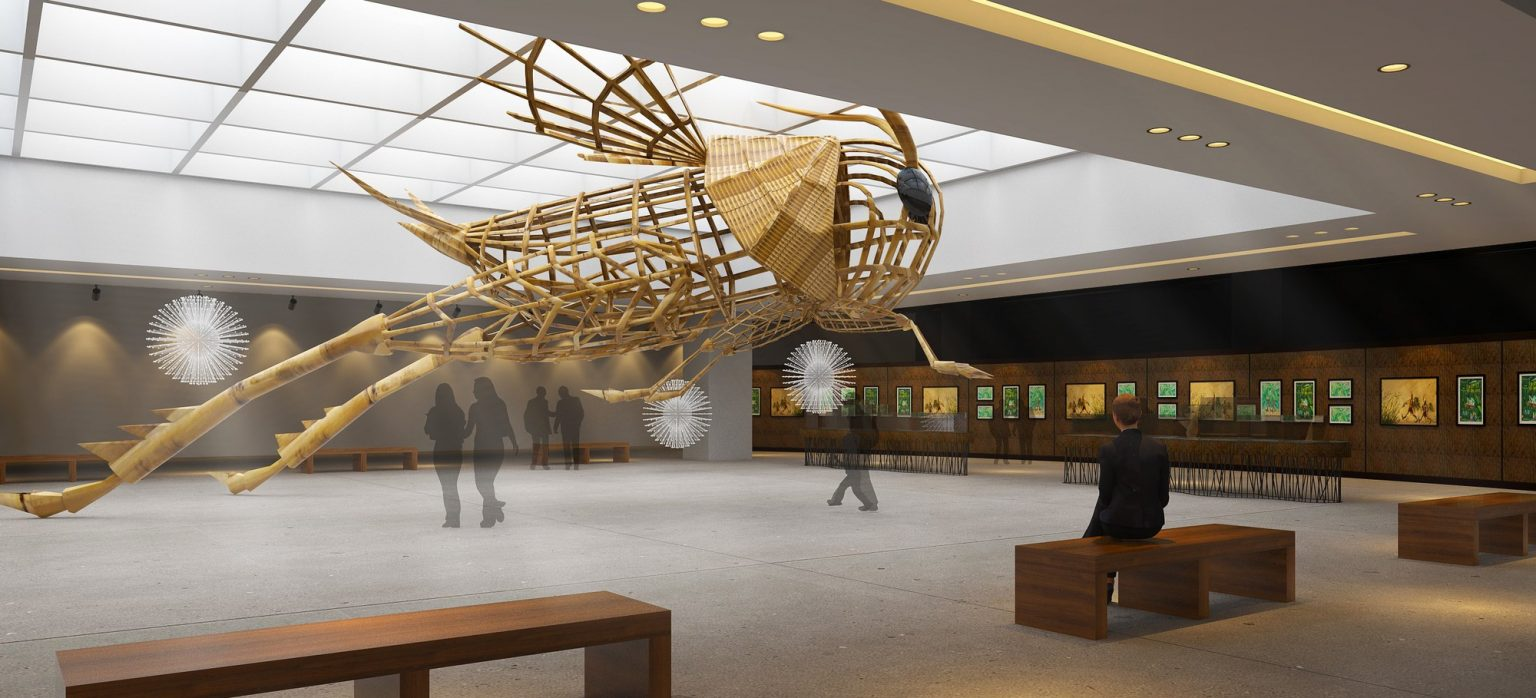
“Dế Mèn Phiêu Lưu Ký” Exhibition at VCCA (Photo: VCCA)
When viewed together, these figures paint a cohesive picture: Hanoi is not activating individual sectors in isolation but gradually operating a synchronized creative ecosystem where culture, design, arts, heritage, tourism, and the urban economy interact to generate real economic value.
Can Hanoi Become a Regional Creative Hub?
A creative city is not measured by titles alone but by the extent to which culture and creativity permeate and impact economic and social life. From the figures mentioned, Hanoi is advancing rapidly on this journey.
The city boasts immense cultural resources; diverse creative infrastructure; a growing community of artists, designers, and creative enterprises; a stable audience for cultural consumption; a large and sustainably growing tourist flow; and, crucially, continuously strengthened supportive policies over the past five years.
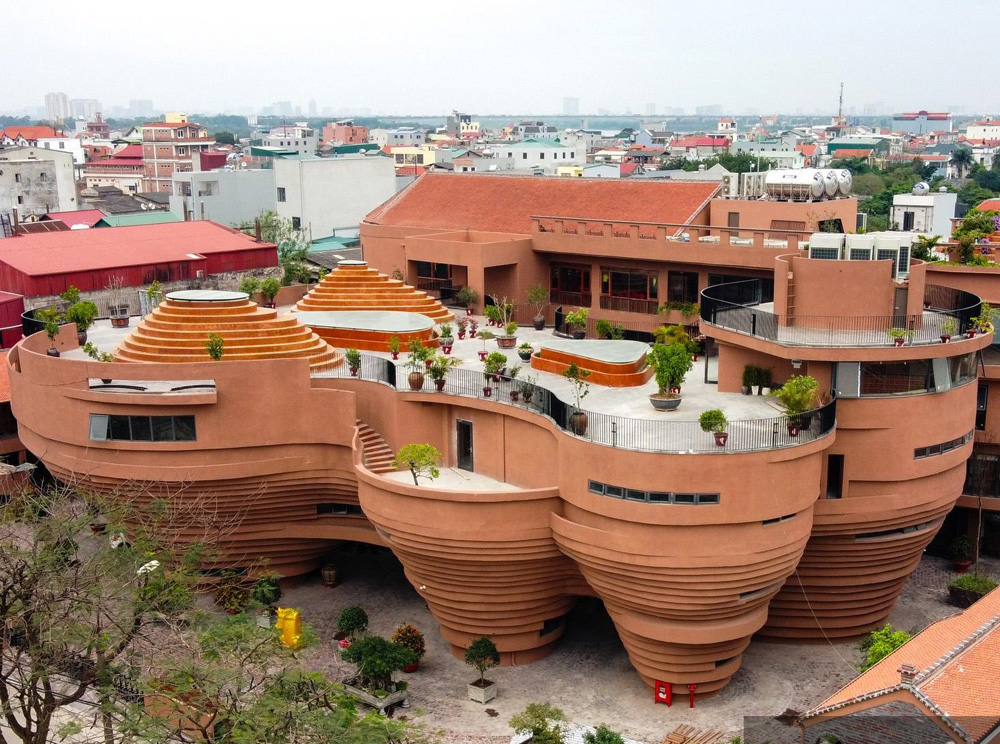
Bat Trang Pottery Village Architecture (Photo: Internet)
Despite clear growth, the CIEM-GIZ Report (April 2024) highlights challenges: Traditional growth models based on capital, unskilled labor, and resource exploitation have reached their limits, while innovation and productivity factors have yet to contribute proportionally.
Infrastructure for creative industries remains inadequate; many traditional sectors lack capital and management skills; and policy frameworks are specific only in certain areas. CIEM also notes inconsistencies in understanding “creative economy,” leading to fragmented policies.
In the face of intense international competition and rapid technological change, Hanoi needs to further refine institutions, upgrade infrastructure, and enhance human resource training to transform its creative cultural potential into a driver of sustainable growth.
From a long-term perspective, the creative economy not only elevates Hanoi’s urban brand but opens a new growth model proven effective by many cities in the UNESCO Creative Cities Network. With ongoing developments, Hanoi is steadily approaching the status of a leading creative center in Vietnam and the region.
Sources: https://www.lehoithietkesangtao.vn/tin-bai/ve-dep-kinh-te-sang-tao-ha-noi